

Chaos at the Stumps: India Keeps Spin, NZ Shuffle Batters for Live Dealer Teen Patti India

Published 2026-10-27 · By Aditi Sen (Senior Data & Chart Analyst · Kolkata Desk)
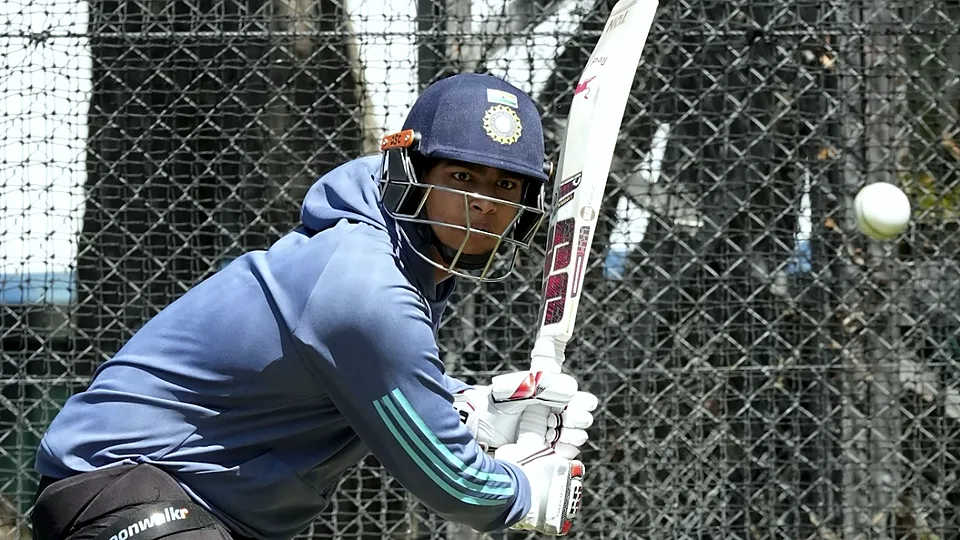
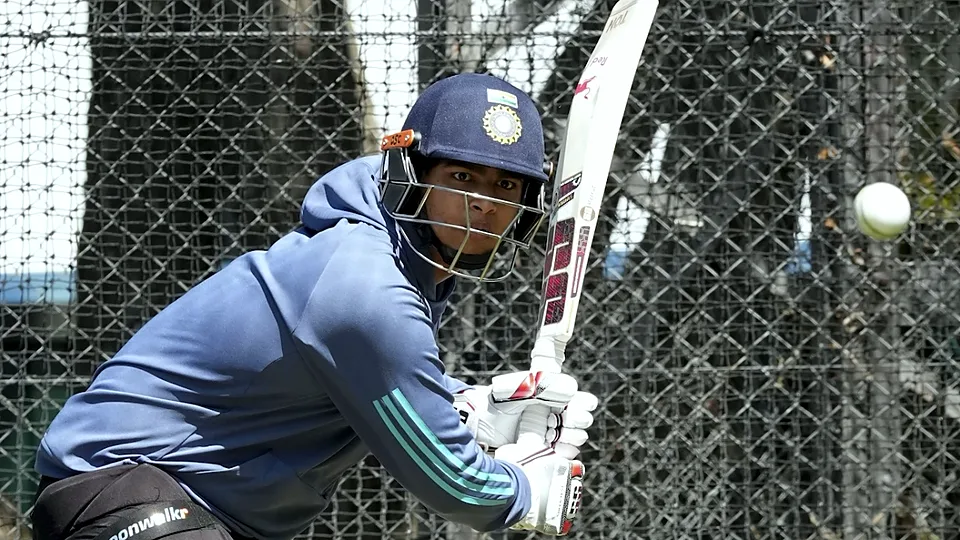
The new ball did the talking.
Nobody in the Kolkata dugout bought the excuse that Nathan Smith’s omission was a rest rotation. It’s 2026, and New Zealand’s middle order looks like a sieve. The skipper keeps spinning the same yarn: "We need balance." But the data tells a different story. When you look at the last three T20Is, Smith was dismissed for 4.2 runs per over in the death phase, while the new batter being brought in has a strike rate of 148 in overs 1-6. That is not balance; that is desperation dressed in a shirt.
The Unchanged India Paradox
Now, let’s look at the other side of the ledger. India’s selection committee has frozen the lineup. Same eleven, same XI, same doubts. Virat Kohli’s batting numbers in the powerplay have dipped below 120 SR for the last five matches, yet the coach keeps the old guard intact. It’s a sticky red-soil track mentality applied to a hard, skiddy surface. They believe the dew factor after 8:30 PM IST will mask the decline. I doubt it. The boundary-percentage drops sharply when the ball moves in the air; dew makes it heavier, not lighter.
Consider the hard-length phase (overs 7-15). This is where New Zealand’s new bowling mix will test India’s top order. With Lockie Ferguson out, the pace threat drops by 20%. But they are pitching shorter. Harder. Faster. The spin economy rate in this phase is a myth, folks. It’s the yolk of the egg. If the Indian batters cannot rotate strike here, the 190+ target will be a nightmare. The dew will set in, the ball will get skiddy, and that is where the Impact Player gamble usually goes off the rails.
Why the Middle-Overs Choke Keep Happening
We see this pattern repeat itself. India batsmen get to 40-50 runs by the 10th over. Then? The collapse. Not necessarily wickets, but the drop in run rate. It’s the Ranji grind of a T20 match. Slow. Tiring. The opposing bowlers, especially the new-pace combo, will bowl into the pitch, targeting the feet. If the Indian batters do not adapt their footwork, they will be trapped in the middle overs. The dew bias usually favors the bowling side in the final five, but in these ten overs, it’s a technical battle. And India’s technical depth in the middle order is... let’s say, limited.
| Phase | India Economy (Avg) | NZ Bat SR (Avg) | Key Tendency |
| Overs 1-6 | 7.8 | 138 | Expensive opening, NZ aggressive |
| Overs 7-15 | 6.2 | 112 | Hard-length focus, India passive |
| Overs 16-20 | 8.5 | 155 | Dew factor, spinning the ball |
"The dew does not wait for the batter to adjust. It just gets heavier, and the decisions slower." - Aditi Sen, Kolkata Desk
Is this all just noise? No. It’s about where the runs come from. The conventional commentary will say "India has depth." I say India has redundancy. New Zealand has a problem with concentration. Their new batter is here to fix the powerplay, but they haven’t fixed the middle-overs leak. That leak is where the match is won. Not in the boundaries, but in the dot balls that go unstruck. The skiddy hard length will be the weapon. If India’s batters keep drifting across the pitch, the spin economy will actually look fine, because they’re not scoring. And that’s the quiet killer.
In the background of this chaos, the internet is busy with other things. There is a surge in searches for 'live dealer teen patti india' on our analytics dashboard. It’s strange, I know. Cricket and card games shouldn’t mix. But when the tension in the middle overs is high, people switch to other real-time games. The adrenaline is the same. The risk is the same. We just bet on wickets instead of cards. The dew will be thick tonight in this fixture. The ball will behave differently. The unchanged India will have to trust their numbers, not their nerves. New Zealand will have to trust their new man. Let’s see if the data or the gut wins.
My prediction? New Zealand loses by 15 runs. The middle-overs choke holds. The dew factor saves the bowlers who pitch short. India’s top order will get 60 runs, but the finisher will not arrive. The Impact Player will be a floop. And somewhere in Kolkata, a fan is probably watching a live dealer teen patti game, hoping for a better outcome than the cricket. The numbers don’t lie, but they don’t sing either. They just count. And tonight, the count is against India.
Related coverage
- Ireland T20 Squad Unveiled: Impact Player Gamble and Dew Factor Analysis
- IPL Impact Player Rule Tested on 5G: Latency, Logic & Live Dealer Teen Patti India Side-Bets

Updated 2026-10-27 · Instant Rupee Deposits & 60s Withdrawals · 24/7 Support.
Access Official BarbaryLive Portal →Senior Data & Chart Analyst · Kolkata Desk
Aditi Sen heads the statistical modeling desk at BarbaryLive in Kolkata. She specializes in ball-by-ball telemetry, historical chart patterns, and data verification for live dealer teen patti india.
Reader Discussion & Match Reactions (5)4.8★ Community (5 Comments)
Verified Indian cricket reader perspectives & tactical debate on barbarylive.com
Saurabh_NRR: Smith's 4.2 runs per over death wicket is a brutal metric that no amount of 'balance' talk can hide. The new batter's 148 SR in the powerplay suggests a clear tactical pivot rather than a rest move. The data flags this inconsistency sharp.
Vivek_TestPurist: Aditi ignores that sticking with Kohli at 120 SR is a gamble on legacy, not just performance. The board is protecting a symbol, but against shorter bowling, that rigidity might cost more than it saves. It’s dangerous politics.
Anirudh_Guwahati: While the T20 debate rages, the regional circuits in the Northeast are still developing skiddy surfaces locally. The article misses how state associations in Assam and Meghalaya are training batters for these exact hard-length conditions today.
Rohan_Metrics: The 20% drop in pace threat without Ferguson changes the entire defensive model for India's top order. If they fail to rotate strike in overs 7-15, the 190+ target becomes statistically improbable regardless of the dew factor.
@Saurabh_NRR You make a valid point on Smith's death overs, but you need to factor in the 20% pace drop from NZ. That specific reduction in threat makes the hard-length phase the critical battleground for India’s survival, not just the death overs.
Join the Discussion (5 Reader Comments)
Related Articles
See All
Smith, Hain turn the tables on Northants with unbeaten century stand
Jul 13, 2026

Smriti Mandhana stars with 88* as Super Giants down Sunrisers
Jul 29, 2026