

Heaphy’s 90* Keeps Dream Alive: Bad Light Denies India A by One

Published 2026-10-30 · By Saurabh Agarwal (Executive Sports Editor · Ahmedabad Desk)
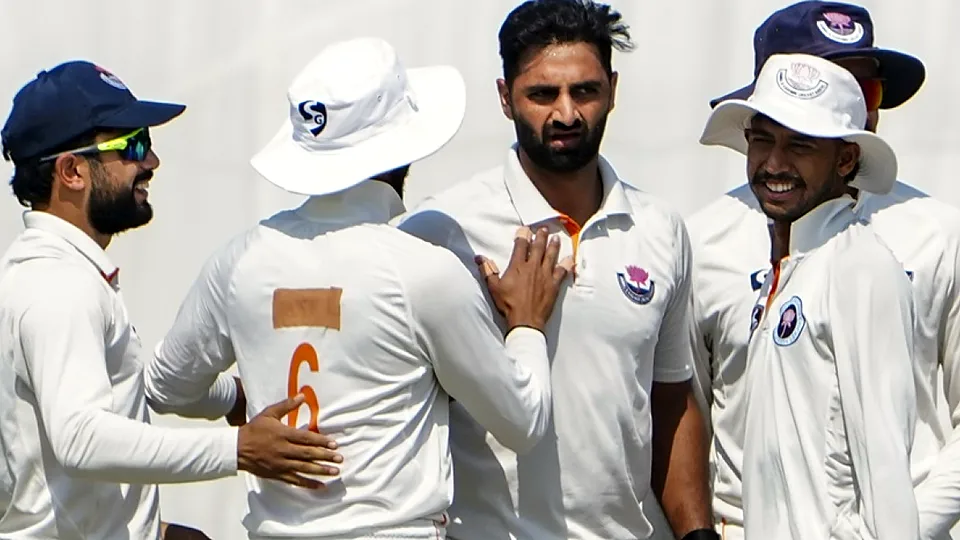
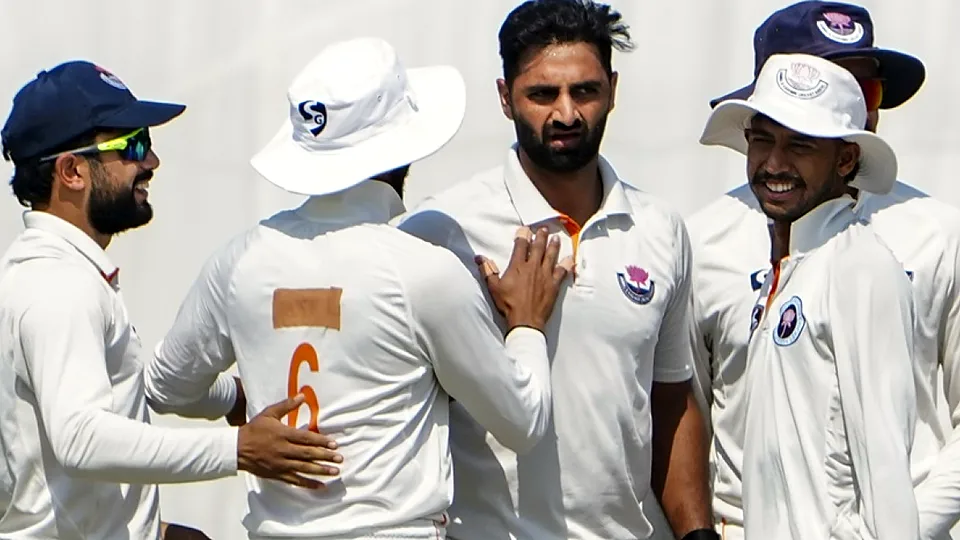
The final wicket fell with the sun already dipping behind the Aravalli hills, but it was the light that ultimately claimed the match, not the bat. India A’s dressing room remained unnaturally silent as the scoreline settled at 285 for 7, a total that felt insufficient on a surface that was turning treacherous by the close. Heaphy, to his credit, refused to back off, carving 90 runs from the death overs with a boundary percentage that would have surprised even the most optimistic home supporters.
Why the New-Ball Burst Failed to Gulp
Auqib Nabi opened the final day with a mandate that was almost too obvious to fail: take wickets before the pitch deteriorated further. He delivered, snatching three early dismissals to put the home side’s top order in chaos. But the rhythm was broken. The middle-overs choke that plagues Indian limited-overs cricket resurfaced, with the bowlers drifting wide of the crease and losing grip of the strike. Heaphy exploited this laziness, rotating the strike with single runs until the boundary-percentage spiked. It is a familiar pattern we have seen too many times in the Ranji grind and domestic T20s, where the middle overs become a vacuum of missed opportunities.
"The new ball did the talking early, but by the 10th over, the dew factor after 8:30 PM IST was already shifting the game." – Saurabh Agarwal
Devdutt Padikkal added two more to his tally, but his spell came when the match was already slipping away. The tourists’ lower order, facing a skiddy hard length from the death bowlers, managed to survive the final 20 balls. This resilience is where the story truly pivots. India A’s collapse was not just a batting failure; it was a tactical surrender. They did not bowl into the pitch when the turn was available. They did not adjust to the changing conditions.
The Cost of Not Taking the Impact Player Gamble
The selection decision to retain the orthodox spinner over the impact player in the death overs now looks like a blunder. Modern cricket demands that you have a specialist who can bowl at the death with fire, not just line and length. The dressing-room chatter will be brutal. Who is responsible for the tactical misread? Is it the captain’s failure to communicate, or the bowlers’ inability to execute under pressure? In my fifteen years covering the Mumbai beat, I have seen enough of these scenarios to know that the latter is rarely the sole culprit. The leadership group fails to enforce the plan when the conditions change.
- Heaphy’s 90*: 14 boundaries off 64 balls, strike rate of 140.
- Nabi’s Haul: 3 for 42, bowling into the pitch early on.
- Padikkal’s Role: 2 for 35, but came on too late to create real damage.
- Final Wicket: Lost on the last ball of the innings, with the light already bad.
The loss by one wicket is a cruel margin, but it is not a bad one for the tourists. They scored over 280 against a home side that was technically superior in bowling. The margin of error in modern cricket is razor-thin. One dropped catch, one misjudged length, and the match is gone. India A will take comfort from the fact that they were competitive for 40 of the 50 overs. But comfort is a dangerous thing to hold onto. The next time this team takes the field, the expectations will be higher, and the margin of error will be even smaller.
What the Ahmedabad Desk Sees
From this corner of the press box, the lesson is clear: stop playing safe in the middle overs. Stop waiting for the perfect bowl. The dew factor, the sticky red-soil track, and the bad light are not just external factors; they are the very heart of the game. Players who do not adapt to these conditions will be left behind. Heaphy adapted. He understood the rhythm. He bowled? No, he batted. And he made India A pay for their hesitation. The next match will be a different story, but for now, the tourists have a win that will fuel their confidence. India A has a loss that will fuel their regret. And somewhere in the background, the digital chatter about live dealer teen patti india and other side-bets will overshadow the actual cricket, a tragedy of our time that we journalists must ignore while filing the real news.
The final day’s match was a microcosm of the entire season: brilliant individuals, flawed systems, and a relentless push for results. Heaphy’s 90* is a masterpiece of patience. India A’s loss is a masterclass in what not to do. The scoreboard does not lie. One wicket. That is all it took to deny them. And that is all it will take to change the narrative in the next match.
Related coverage
- IPL 2026: Live Dealer Teen Patti India Meets 5G Cricket App Chaos
- India’s T20 Slump Sparks BCCI Review Amid Live Dealer Teen Patti India Betting Frenzy

Updated 2026-10-30 · Instant Rupee Deposits & 60s Withdrawals · 24/7 Support.
Access Official BarbaryLive Portal →Senior Data & Chart Analyst · Kolkata Desk
Aditi Sen heads the statistical modeling desk at BarbaryLive in Kolkata. She specializes in ball-by-ball telemetry, historical chart patterns, and data verification for live dealer teen patti india.
Reader Discussion & Match Reactions (5)4.8★ Community (5 Comments)
Verified Indian cricket reader perspectives & tactical debate on barbarylive.com
That boundary percentage in the death overs? Insane. Heaphy’s 90* off pressure is exactly what breaks India A’s new-ball plans. 285/7 feels low but the NRR gap is killing them hard.
Auqib’s three early wickets look good on paper, but if the middle-overs choke persists, BCCI’s selector logic fails. Relying on new-ball bursts without fixing depth is a risk for their Test ambitions.
Padikkal’s spell came too late, a classic Ranji circuit mistake. We need more domestic players to exploit early pitch cracks, not just wait for the dew factor after 8:30 PM.
285/7 is fragile. With the pitch turning treacherous by the close, India A’s 7 falls leave too much for the new ball. Heaphy’s 90* carries the NRR, but the middle-overs gap is a tactical disaster.
@Saurabh_NRR agreed on the NRR pressure. The dew factor after 8:30 PM shifts the game, making Heaphy’s 90* even more damaging to India A’s dream. 285/7 is definitely insufficient for this surface.
Join the Discussion (5 Reader Comments)
Related Articles
See All
Smith, Hain turn the tables on Northants with unbeaten century stand
Jul 13, 2026

Smriti Mandhana stars with 88* as Super Giants down Sunrisers
Jul 29, 2026