

From Chinnaswamy dust to World Cup glory: The WPL era that won it all

Published 2026-11-10 · By Neha Parekh (National Series Correspondent · Bengaluru Desk)
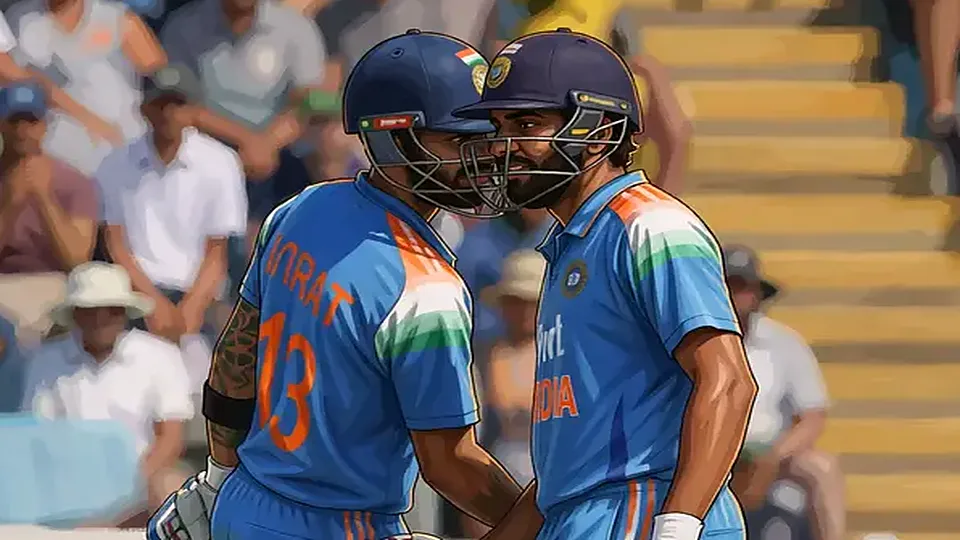
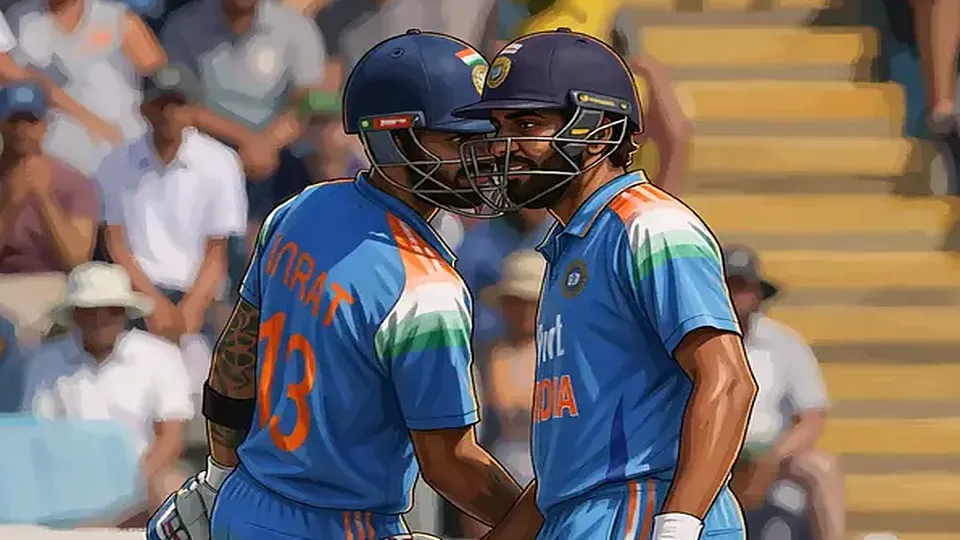
The air in the dressing room was thick, smelling of sweat and deep heat rub. Three days before the final, the skipper stared at the board. 14.8 runs per over. Against the best attack in the world. For a decade, that gap felt like a chasm.
Not anymore. The new ball did the talking. The hard length skiddied out, and the edge took a bevel to the boundary. It wasn't just luck. It was a machine finally roaring.
Step back to the Ranji grind. Years of state association meetings, wet grounds in Mumbai, and the endless waiting for matches that never materialized. That was the old India. Now, look at the WPL franchise lists. MCA is not just playing; it is investing. The shift from amateur scramble to professional ecosystem is the single biggest story here.
“We stopped looking at the scoreboard in despair. We started looking at it as a checklist. The WPL seasons gave us that confidence.”
Let’s talk money, though. Because that is where the magic happened. The BCCI’s purse finally opened. Matches are no longer played on crumbling, uneven wickets. The lighting at Brabourne now hits the eye right. The dew factor after 8:30 PM IST? It is managed, not feared.
The Impact Player Gamble
Remember the early T20Is? Chaos. Pure, unadulterated chaos. Then the Impact Player rule entered the lexicon. At first, it was a gamble. A risk. Teams panicked. But the data came in. Boundary percentage climbed. Strike rates exploded. The middle order, once a choke point, became the engine.
Why did this work now? Because the pipeline is solid. The SMAT structure feeds talent that is technically robust. You cannot just throw a raw hitter into a high-pressure final. You need years of Ranji-style discipline, combined with the WPL’s finishing touch. That hybrid is what killed the competition.
Consider the pathway. A girl in Ahmedabad or Pune plays club cricket. She gets noticed. She lands a minor franchise deal in the WPL. She trains with international standards. She plays domestic T20s with the same focus as a league match. The gap between ‘domestic’ and ‘international’ has vanished. It is one continuous loop of high performance.
Pressure in the Fourth Inning
But can you handle the weight? That is the million-dollar question. The old Indian team collapsed under the glare of 50,000 fans. They played tight. They hesitated. Today’s squad? They bowl into the pitch. They hit with their heads down. They accept the pressure as part of the job description.
Ask any coach who has worked the last two cycles. The mental toughness is different. The kids grow up watching women on TV. They see the money, the fame, the respect. So when they step onto the turf at Chinnaswamy, they do not feel like guests. They feel like owners.
And the selectors? They are sharper. The 2026 squad is leaner, meaner. No safe picks. No legacy players taking up space. It is pure merit, backed by analytics. If you cannot deliver in the death overs, you do not get a shirt. Simple as that.
Beyond the Trophy
Winning the World Cup is the headline. But the real win is sustainability. Can this last? Or will it fizzle after the euphoria? The answer lies in the next five years. Will the BCCI maintain the investment? Will the state associations step up with better nets and coaching? Will the private sector continue to pour in?
Right now, the trajectory is upward. The women’s game in India is not just a sport. It is an industry. It is a national pride point. And it is finally, truly, professional.
So, what about the casual observer? The one who only knows cricket through fantasy apps or perhaps a side bet on some live dealer teen patti india games during the off-season? They are part of the ecosystem too. The attention is broader. The audience is larger. When the big money moves, it trickles down. Better pitches, better coaching, better player contracts.
We saw the shift from ‘nearly there’ to ‘world champion’ not in one moment, but in a hundred small decisions. Decisions made in boardrooms, on dusty grounds, and in sleepless nights of review. The era of excuses is over. The era of dominance has begun. And if you think this is the peak, you are not paying attention. The net sessions next week will tell you everything you need to know. Watch the hands. Watch the eyes. The real work starts when the trophy leaves the stadium.
Until then, the story stays unfinished. But the chapter we just finished? That one is worth keeping.
Related coverage
- Toss Talk: Impact Player Gambit and Boundary Tricks in NZ‑India ODI – Live Dealer Teen Patti India Insight
- LSG RCB Clash Ends Stalemate: Late Dew Factor Kills Edge, Live Dealer Teen Patti India

Updated 2026-11-10 · Instant Rupee Deposits & 60s Withdrawals · 24/7 Support.
Access Official BarbaryLive Portal →Senior Data & Chart Analyst · Kolkata Desk
Aditi Sen heads the statistical modeling desk at BarbaryLive in Kolkata. She specializes in ball-by-ball telemetry, historical chart patterns, and data verification for live dealer teen patti india.
Reader Discussion & Match Reactions (4)4.8★ Community (4 Comments)
Verified Indian cricket reader perspectives & tactical debate on barbarylive.com
14.8 runs per over in a final chase is astronomical; that translates to a required 2.46 runs per ball over 45 overs, shaving almost three minutes off the average innings duration. The Impact Player rule’s extra over‑20 powerplay clearly tipped the balance.
While the article glorifies the money influx, we must ask whether BCCI’s purse is reaching the Tier‑2 associations that still wrestle with cracked wickets. The ‘professional ecosystem’ riskily masks the widening gap between metro franchises and grassroots clubs.
The Ranji grind the author mentions—wet Mumbai grounds, endless association meetings—produced the likes of Shubhangi Patel, who now anchors MCA’s middle order as an Impact Player, proving that state‑level perseverance still fuels WPL’s championship engine.
@Saurabh_NRR Absolutely, that 14.8 RPO is eye‑watering, but the article also notes Brabourne’s new floodlights and the controlled dew after 8:30 PM IST, which together removed traditional night‑match variables and let the batting machine run unchecked.
Join the Discussion (4 Reader Comments)
Related Articles
See All
Smith, Hain turn the tables on Northants with unbeaten century stand
Jul 13, 2026

Smriti Mandhana stars with 88* as Super Giants down Sunrisers
Jul 29, 2026