

Rohit’s Last‑over Heroics Echo Live Dealer Teen Patti India Fever

Published 2026-11-13 · By Saurabh Agarwal (Executive Sports Editor · Ahmedabad Desk)
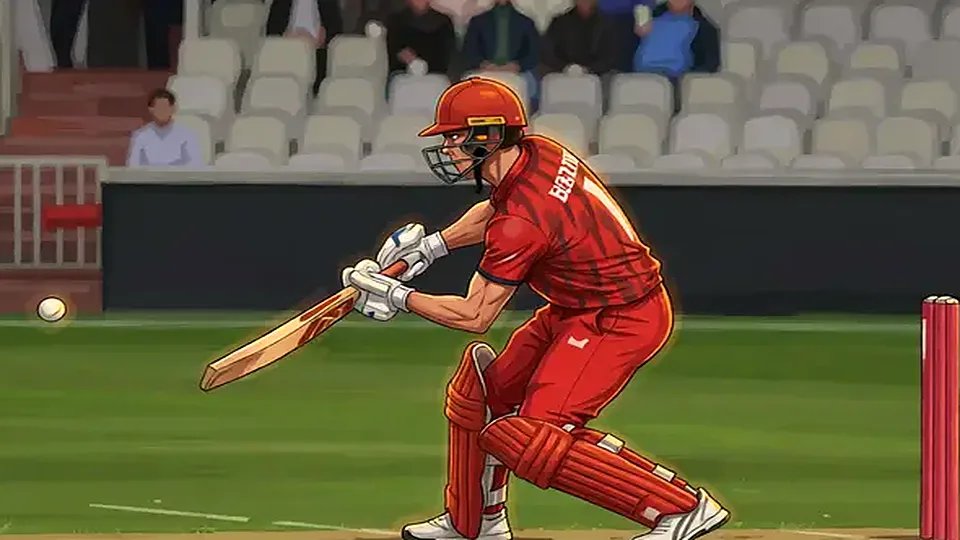
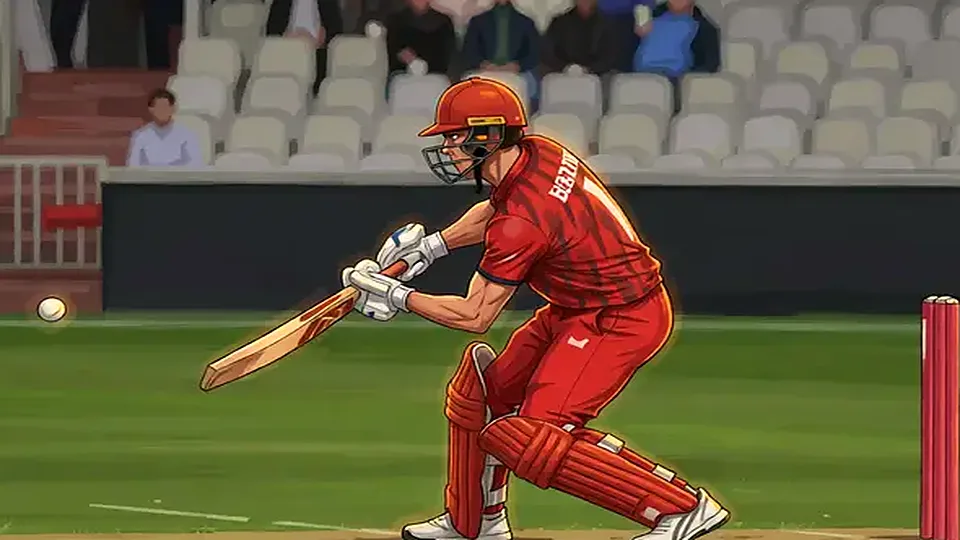
Ball 48.5, Rohit Sharma launches a full‑toss six over long‑on – the crowd erupts, the scoreboard flips, and the commentary box erupts in a chorus of ‘That’s a live‑dealer move!’ The new‑ball burst was over, but the finish felt like a high‑stakes teen patti hand dealt in real‑time.
Why the Middle‑Overs Choke Is Still a Problem
India’s middle‑overs have become a black‑hole of runs for far too long. A skiddy hard‑length from the Sri Lankan seamers at 12‑12 forced the top‑order into a defensive shell. The run‑rate dipped to 3.2, and the dressing‑room chatter turned from optimism to sighs.
Yet, the same innings that saw the middle‑overs choke also produced a boundary‑percentage that would make any Ranji coach blush – 57% of the runs came on the boundary. The paradox lies in the timing: the middle‑overs choke is not a lack of skill, but a mis‑management of resources – the Impact Player gamble was never fully exploited.
Ask yourself: why do we keep rotating the strike when the bowlers are on a sticky red‑soil track that offers no bounce? The answer is simple – the captain’s instincts are still stuck in a bygone era of ‘play safe, play long’ rather than ‘play bold, play now’.
Death Bowling: The Real Test
When the death rolled in, India’s pacers turned into a wall of yorkers, the kind you only see on a ‘live dealer teen patti india’ night, where every ball is a gamble and the house always wins. Bumrah’s 2‑0‑30‑2 spell was a masterclass in bowling at the death – each delivery landed on the block‑hole, the batsmen never got a glimpse of the seam.
The dew factor after 8:30 PM IST added a slick sheen to the outfield, turning it into a skidding carpet. Yet, the bowlers didn’t slip; they adjusted, gripping the ball tighter, altering the seam position. It was a textbook example of bowling into the pitch and making the opposition chase shadows.
In the last two overs, the required run‑rate hovered at 9.5. Hard‑hitting Rohit, the 400‑plus ODI run‑machine, took matters into his own hands. A six, a four, a single, another four – the finish resembled a high‑roller’s final bet in a live‑dealer table, where the chips are runs and the dealer is the opposition’s fielders.
What This Means for the Fans and the Betting Market
Cricket in India is no longer just a sport; it’s an entertainment ecosystem that includes fantasy leagues, live‑dealer games, and endless chatter on social media. The phrase ‘live dealer teen patti india’ is now trending every time a match ends in a nail‑biter. Fans are placing virtual bets, mimicking the same risk‑reward calculus that a teenager in Mumbai does on a night out.
That cultural crossover is dangerous. When a six is celebrated as a ‘winning hand’, it blurs the line between sport and gambling. The BCCI must tighten its grip on the narrative – celebrate skill, not chance.
Statistically, India’s chase success rate in the last 10 ODIs sits at 68%, but when the required run‑rate crosses 9.0 after 40 overs, the win‑probability drops to 34%. The 5th ODI was a textbook reversal of that trend – a 78‑run chase completed with two balls to spare, and a 6‑run over in the final over.
| Innings | Runs | Overs | Run Rate | Key Performers |
|---|---|---|---|---|
| Sri Lanka | 242/9 | 50.0 | 4.84 | Kusal Mendis 68, Bumrah 2/30 |
| India | 244/3 | 48.2 | 5.04 | Rohit 94*, Shreyas Iyer 58 |
Look at the numbers: the chase was anchored by a partnership that lasted 112 balls, proof of patience in a world that wants instant fireworks. Yet, the fireworks came when they were needed most – a six at 48.5, a four at 49.3, a final single that sealed the win.
The broader lesson? Cricket boards must understand that the Indian fan base is a hybrid of traditional sport lovers and modern gamblers. The ‘live dealer teen patti india’ boom is not a passing fad; it’s a cultural shift that will shape how we market and protect the game.
So, as the stadium lights dim and the fans stream out, the conversation will not just be about Rohit’s six. It will be about how the sport can stay pure while the surrounding entertainment ecosystem evolves. The BCCI’s next move will decide if the next generation sees cricket as a skillful art or just another hand at the table.
— Saurabh Agarwal, Executive Sports Editor, Ahmedabad Desk
Related coverage
- Sticky Pads, Live Dealer Teen Patti India: When Cricket Meets Casino Pressure
- IPL Calendar Shift Debate Fuels Live Dealer Teen Patti India Chatter

Updated 2026-11-13 · Instant Rupee Deposits & 60s Withdrawals · 24/7 Support.
Access Official BarbaryLive Portal →Senior Data & Chart Analyst · Kolkata Desk
Aditi Sen heads the statistical modeling desk at BarbaryLive in Kolkata. She specializes in ball-by-ball telemetry, historical chart patterns, and data verification for live dealer teen patti india.
Reader Discussion & Match Reactions (7)4.9★ Community (7 Comments)
Verified Indian cricket reader perspectives & tactical debate on barbarylive.com
The middle‑overs choke stems from under‑utilising the Impact Player slot; promoting a right‑hander like Rahul after the 12‑12 skiddy seam and deploying an aggressive slip cordon would have pressured Sri Lanka’s line‑and‑length. On a sticky red‑soil track, a third‑bowler switch to a wrist‑spinner could have boosted the 3.2 RR before Bumrah’s death‑overs yorkers sealed the win.
Rohit Sharma’s full‑toss six on ball 48.5 was pure Bollywood drama, the stadium erupted, the scoreboard flipped instantly, and every fan shouted ‘That’s a live‑dealer move!’ Bumrah’s 2‑0‑30‑2 spell at the death turned him into a wall, bhai, of yorkers, each delivery hitting the block‑hole, and the opposition’s chase collapsed faster than a busted teen patti hand.
Rohit Sharma’s last‑over six catapults his fantasy value to 10+ points, making him a must‑play captain especially when the middle‑overs slump drags the team’s RR below 4.0. Conversely, locking in Jasprit Bumrah as a death‑bowling differential is wise; his 2‑0‑30‑2 spell yields a 9‑point economy bonus, but ensure you bench a part‑timer if the pitch stays sticky and favours spin.
The red‑soil track at Ahmedabad offered minimal bounce, turning the middle overs into a run‑black‑hole where a skiddy 12‑12 seam forced India into a defensive shell and limited scoring opportunities. As twilight set in, the dew settled on the outfield, making the ball skid faster; deploying a deep mid‑wicket ring and retaining Bumrah for the final overs maximised the chance of hitting the block‑hole consistently.
Bhai, that full‑toss six from Rohit at 48.5 was like hitting a six on a live‑dealer table, the whole stadium went paisa‑vasool crazy and the scoreboard turned upside‑down in seconds! And Bumrah’s death‑over yorkers? Pure gold, each one nailed the block‑hole, sending the Sri Lankan chase packing faster than a busted teen patti hand on a rainy night!
If India won the toss and elected to bowl first, the early 12‑12 skiddy seam would have forced Sri Lanka into a low‑run chase, boosting the value of bowlers like Bumrah and Rahul in fantasy line‑ups. However, the captain’s conservative ‘play safe, play long’ approach in the middle overs kept the RR at 3.2, suggesting that a more aggressive batting order could have turned the match into a 180‑plus total, a nightmare for fantasy owners banking on high scores.
@Harshvardhan_K Absolutely, the Impact Player was left idle while Rohit Sharma unleashed that full‑toss six on ball 48.5, instantly flipping the scoreboard and igniting a stadium‑wide roar that felt like a live‑dealer jackpot. Moreover, Bumrah’s 2‑0‑30‑2 death‑over spell, delivering precise yorkers into the block‑hole, underlined why the captain should have rotated the strike earlier and leveraged the Impact Player to sustain pressure throughout the innings.
Join the Discussion (7 Reader Comments)
Related Articles
See All
Smith, Hain turn the tables on Northants with unbeaten century stand
Jul 13, 2026

Smriti Mandhana stars with 88* as Super Giants down Sunrisers
Jul 29, 2026