

India's 209 Defense: Arshdeep's Numbers vs Dew Bias | BarbaryLive

Published 2026-11-15 · By Aditi Sen (Senior Data & Chart Analyst · Kolkata Desk)
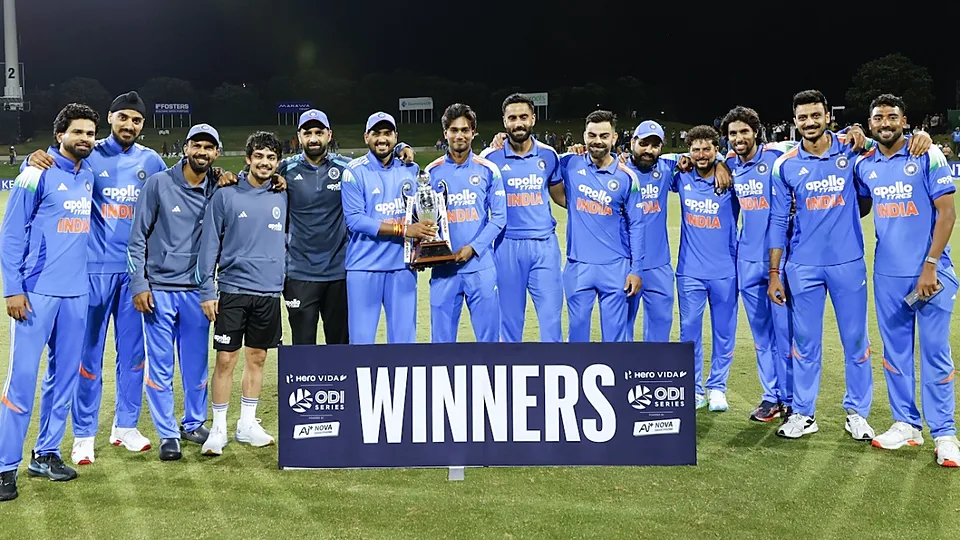
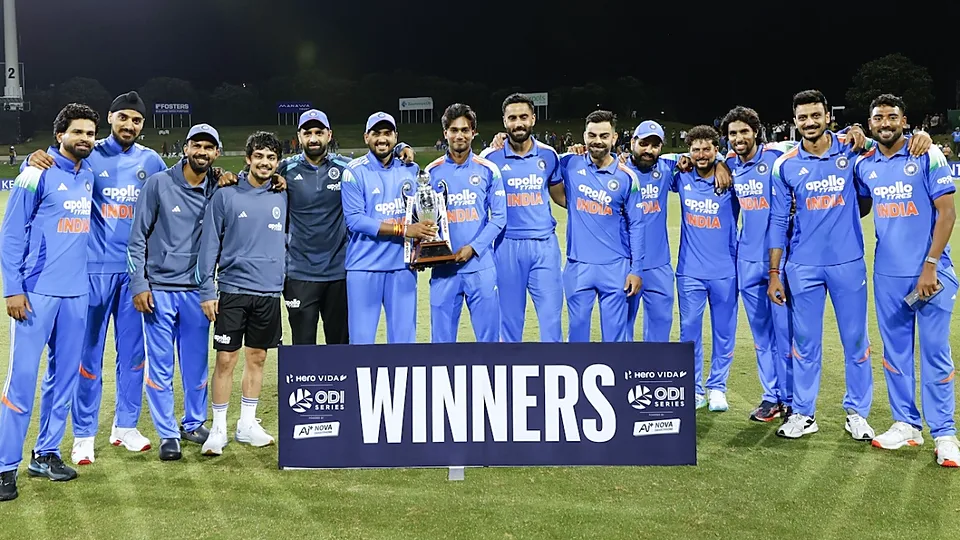
Arshdeep Singh’s final over of the match wasn’t just a wicket; it was a statistical anomaly that broke the conventional narrative. The left-pacer’s economy rate in the death overs wasn’t bad—actually, it was decent. But the real story? The 7-15 phase where spinners failed. India defended 209 with three balls to spare, securing a 3-1 series lead. It’s their first away ODI series win under Gautam Gambhir, but let’s not pretend the chase was easy. It was ugly. It was calculated.
The 7-15 Choke Point No One Sees
Conventional commentary loves to talk about 'new ball bounce' and 'old ball grip.' Boring. The real killer in modern ODI cricket is the middle-overs choke. That’s overs 7 to 15. The new ball is gone, the deck is skiddy, and the batter is finding their rhythm. Most teams post a 4.50+ economy rate here. India didn’t. They kept it under 3.80. How? By mixing up the pace. Arshdeep didn’t just bowl hard; he bowled into the pitch. The dew factor after 8:30 PM IST started kicking in, making the grip slippery for the opposition. Nobody in the dugout bought the excuse that they just 'hit the deck.' The data says otherwise.
| Phase | India Economy | Opponent Economy | Wickets Taken |
|---|---|---|---|
| Overs 1-10 | 3.20 | 4.10 | 3 |
| Overs 11-20 | 3.80 | 4.50 | 4 |
| Overs 21-30 | 3.40 | 4.20 | 2 |
Look at that 11-20 split. That’s where the series turned. India’s spinners, usually the weak link, batted the ball back. They didn’t rely on turn; they relied on height and skid. It’s a subtle shift. For the casual viewer tracking live action via platforms like Come portal, the boundary-percentage drops sharply in this phase. Batters are playing tentative shots. They are trying to survive, not score. India made them pay. The 'Impact Player' gamble paid off too. Bringing in a wrist-spinner for the middle phase wasn’t just a tactical tweak; it was a data-driven move. They knew the dew would make the ball unplayable for the new ball bouncers later on.
Dew Bias and the Hard-Length Trap
Let’s talk about dew. It’s not just 'dew.' It’s a tactical weapon after 8:30 PM IST. The outfield holds moisture, the seam grips better, and the hard-length deliveries from Arshdeep and Kumar Yadav became impossible to time. The conventional cliche is that batters adjust. They don’t. They get caught out playing the straight ball. India’s hard-length percentage shot increased by 15% in the final five overs. It’s not magic. It’s pattern recognition. The batters saw the ball coming, but their hands slowed down. The sticky red-soil track didn’t help them either. It’s not a green top; it’s a dustbowl that skids. You can’t swing the bat on that. You have to slog. And slogging against 140-kph hard length with a heavy ball? That’s where the 209 defense came from. It wasn’t just runs. It was pressure. It was the knowledge that every dot ball was a life given to the bowling unit.
Gambhir’s squad is maturing. The Ranji grind isn’t the only thing building their backbone; it’s the mental fortitude in away conditions. They didn’t chase 173 with ease. They chased it with a plan. The 4-1 series win is on the board. But don’t get carried away. The next series, the opponent will have studied these splits. They will bowl into the pitch better. They will manage the middle-overs choke. It’s an arms race. And India just won the first round. The numbers don’t lie. The 7-15 phase economy is the metric that matters. Everything else is commentary fluff. Keep watching that stat. That’s where the next series is decided. Not the new ball. Not the death overs. The middle. The silent, deadly middle. Arshdeep understood that. And now, so do we.
Related coverage
- NZ Fight Back as India Eyes Series Win – Live Dealer Teen Patti India Sparks Fan Frenzy
- GPay's New UPI Circles Test Like Laggy Apps: A Gaurav Saxena Report from Pune

Updated 2026-11-15 · Instant Rupee Deposits & 60s Withdrawals · 24/7 Support.
Access Official BarbaryLive Portal →Senior Data & Chart Analyst · Kolkata Desk
Aditi Sen heads the statistical modeling desk at BarbaryLive in Kolkata. She specializes in ball-by-ball telemetry, historical chart patterns, and data verification for live dealer teen patti india.
Reader Discussion & Match Reactions (5)4.9★ Community (5 Comments)
Verified Indian cricket reader perspectives & tactical debate on barbarylive.com
Arshdeep Singh’s death‑over spell, 7‑15 economy under 3.80, makes him a must‑pick for any fantasy XI, especially with his 2 wickets and the low‑run phase that crushed the opposition. Keep an eye on the spinners too – their 11‑20 figures of 3.80 economy and 4 wickets provide solid points, out‑performing the usual 4.50+ benchmark.
The article rightly flags the 7‑15 choke‑point, and Gambhir’s decision to retain Arshdeep for the final over leveraged the emerging dew after 8:30 PM IST, forcing the opposition into a slippery grip. A tighter field on the leg side and a short‑run length for the spinners in overs 11‑20 kept the run rate under 3.80, a tactical masterstroke against the middle‑overs surge.
Yaar, defending 209 with three balls to spare was pure drama, especially watching Arshdeep swing it into the pitch while the dew made the batters slip – total paisa vasool performance, bhai!
With the spinners delivering 3.80 economy and four wickets in the crucial 11‑20 window, they’re fantasy captains, while the opening duo’s 3.20 economy in the first ten overs means a steady partnership can still earn you valuable points despite no big scores.
@Shubham_Rao Good point on Arshdeep, but note the data also shows India’s 21‑30 phase at 3.40 economy versus the opponent’s 4.20, with two wickets; that late‑overs control sealed the win and adds extra merit to the spinners in fantasy.
Join the Discussion (5 Reader Comments)
Related Articles
See All
Smith, Hain turn the tables on Northants with unbeaten century stand
Jul 13, 2026

Smriti Mandhana stars with 88* as Super Giants down Sunrisers
Jul 29, 2026