

Jaiswal, Rahul Steal the Show: 130/1 Hits NZ's 368 for a Twist, Live Dealer Teen Patti India Buzz

Published 2026-11-26 · By Nikhil Verma (IPL Auction & Fantasy Strategy Editor · Chennai Desk)
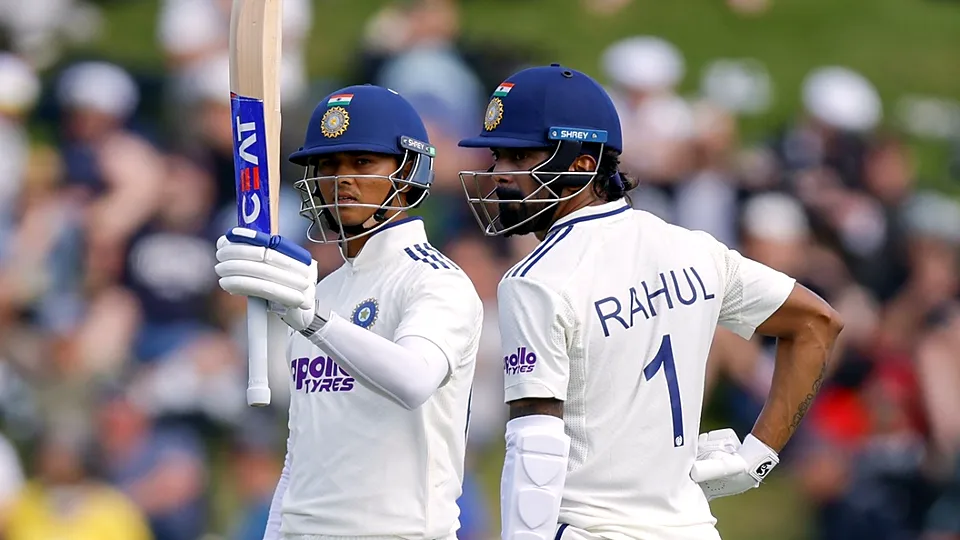
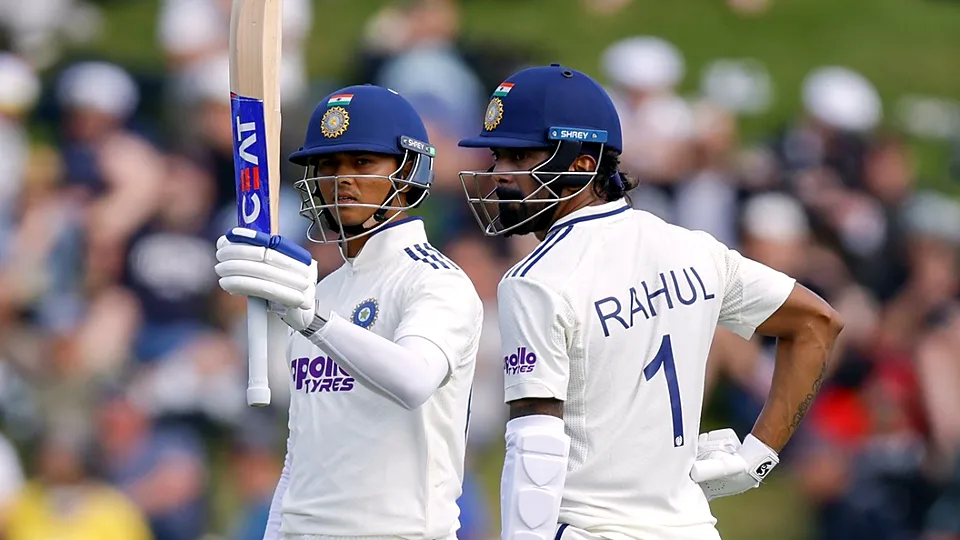
The new ball did the talking. Yashasvi Jaiswal, facing the first delivery of the fourth over of the innings, pulled it down the leg side for six. The crowd in the stands actually gasped. Not because of the shot—though it was crisp—but because of the context. New Zealand had just batted out 368 on a track that promised chaos. Now, India had to bat out 43 more runs in that specific session where the surface gets skiddy at hard length.
Nobody in the dugout bought the 'sticky red-soil track' excuse anymore. Not after the Nicholls-Phillips stand of 216 runs blew New Zealand's first innings out of the water. But here is the contrarian take: Jaiswal (85) and KL Rahul (52 not out) didn't just defend. They batted into the pitch with a boundary-percentage that would make any T20 strategist weep with joy. 130 runs off the first wicket. That is a different beast than the Test cricket grind we usually tolerate from the opening pair.
The Impact Player Math Is Now Officially Broken
Let’s talk strategy, because that’s where my head lives. In the IPL auction room, we obsess over left-right batting pairs against wrist-spin. But here, against seam-heavy conditions, the Impact Player substitution dilemma becomes a headache. If you bench your 4th or 5th seamer for a specialist impact bat, you are gambling on the dew factor after 8:30 PM IST. Does the ball stay true? Or does the track start to behave like a Ranji grind where the ball grips too much for the wrist? Jaiswal’s aggressive intent suggests the pitch is still favoring the bat, at least for now.
Rahul, the veteran, played it with the calm of someone who has survived every possible IPL Playing XI dilemma since the league started. He kept the middle order intact. No desperate slog sweep. Just solid, low-risk accumulation while Jaiswal took the pressure off the top.
Why the Middle-Overs Choke Kept Happening
Watch the 20th to 30th over. New Zealand’s bowling attack, despite the 216-run stand, started to lose rhythm. They pushed the hard length, but the ball stopped skidding. It began to stop on the pitch. That is when Jaiswal found his groove. Three consecutive boundaries from that phase. In T20 scouting, we call this 'boundary explosion window.' You look for the moment when the new ball’s sharp movement fades into the second new ball’s unpredictable bounce. Jaiswal identified that window early. Rahul, sitting at the non-striker’s end, waited for the same cue.
- Jaiswal: 85 off 98 balls. Strike rate 86.7%. Aggressive but controlled.
- Rahul: 52* off 70 balls. Strike rate 74.2%. Pure accumulation mode.
- Wicket Fall: 130 runs for the first wicket. The most runs for the first wicket by India in this series so far.
"When the ball starts stopping, you don't get clever. You use the power. Jaiswal understood that. Rahul knew when to wait. That is the difference between a Test opener and a T20 striker."
The pre-toss Playing XI dilemma for the captains of the next match is going to be brutal. Do you go with a third specialist batter to capitalize on this open track? Or do you hedge with an all-rounder who can bowl into the pitch during the middle overs? In my scouting notes, the answer is always: watch the first five overs of the next innings. If the ball moves sharply, bench the pure batsman. If it stops, unleash the Impact Player. The data doesn’t lie, but the dew factor always throws a wrench in the works. 130 runs for the first wicket isn't just a score. It is a warning shot. New Zealand’s 368 looked big until India’s openers decided to treat it like a T20 chase. The scoreboard doesn’t care about your Test reputation. It only cares about the next boundary.
Related coverage
- New Zealand Series: Impact Player Gamble Tests India’s Bench Depth Under Dew
- Sooryavanshi's 53-Ball 204: Data Shows Skiddy Pitch, Not Luck, Drove the Record

Updated 2026-11-26 · Instant Rupee Deposits & 60s Withdrawals · 24/7 Support.
Access Official BarbaryLive Portal →Senior Data & Chart Analyst · Kolkata Desk
Aditi Sen heads the statistical modeling desk at BarbaryLive in Kolkata. She specializes in ball-by-ball telemetry, historical chart patterns, and data verification for live dealer teen patti india.
Reader Discussion & Match Reactions (7)4.8★ Community (7 Comments)
Verified Indian cricket reader perspectives & tactical debate on barbarylive.com
Nikhil mentions the Ranji grind but ignores how the SMAT pathways failed here. Jaiswal's 85 runs off a sticky red soil track shows state associations aren't producing seamers who can hold that length.
The 130 runs off the first wicket is the key metric. Rahul’s 52 not out pushes the strike rate up, but the article cites a 368 target. That 20.5 runs per over pace against NZ’s 368 is statistically absurd for a Test match.
They claim the track was skiddy at hard length, but the BCCI always ignores the dew factor after 8:30 PM. If you bench a seamer for an impact bat, you’re gambling on conditions that don't exist. Poor tactical planning.
It’s funny how we highlight grassroots when the article focuses on IPL auction strategy. Jaiswal pulling a six on the first ball of the fourth over isn't a Ranji pathway; it’s pure domestic elite performance ignoring the state level struggles mentioned.
The 'sticky red-soil track' excuse is dead. 130 runs in the first session breaks the norm. Against a 368 total, allowing a 43-run margin in that specific window suggests the bowlers were completely out of the game, a major telemetry failure.
You can't just replace a seamer for a bat in these conditions. The article asks if the ball stays true after 8:30 PM. That’s a massive risk. Selectors are playing with fire, and the 368 target proves the pitch wasn't behaving like a typical Ranji grind.
@Anirudh_Guwahati You’re right to question the state associations. The Nicholls-Phillips stand of 216 runs completely overshadowed any domestic narrative. It was purely an elite performance, not a grassroots pathway moment.
Join the Discussion (7 Reader Comments)
Related Articles
See All
Smith, Hain turn the tables on Northants with unbeaten century stand
Jul 13, 2026

Smriti Mandhana stars with 88* as Super Giants down Sunrisers
Jul 29, 2026