

Radha Yadav: WPL's speed has erased the domestic-international divide

Published 2026-11-26 · By Neha Parekh (National Series Correspondent · Bengaluru Desk)
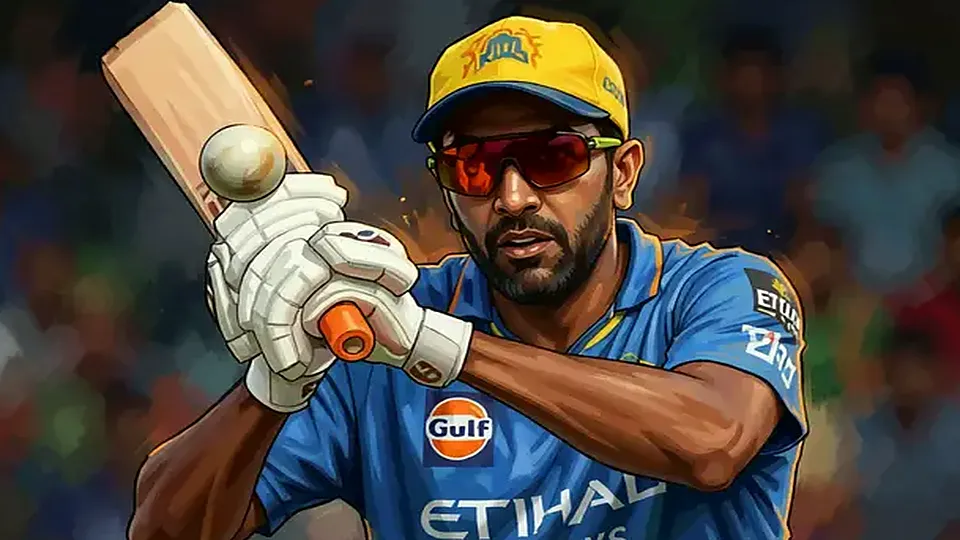
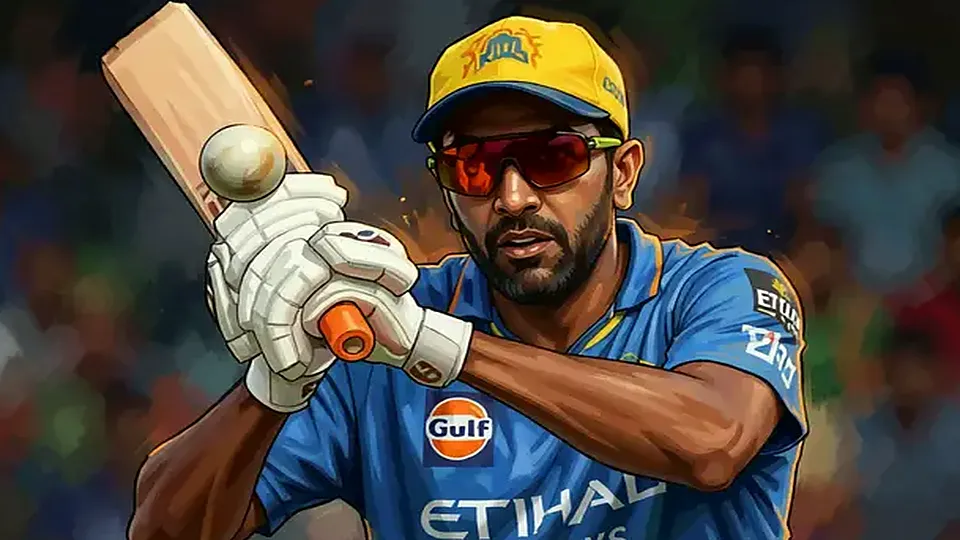
The dew factor at M. Chinnaswamy Stadium after 8:30 PM IST isn’t just a weather anomaly; it’s a test of character. Radha Yadav, the Karnataka veteran who has navigated those sticky, slippery conditions more times than she can count, believes the Women’s Premier League (WPL) has fundamentally altered the texture of Indian domestic cricket. “The gap between the Ranji grind and the international arena? It’s basically closed,” she stated during a brief interlude in a net session here. For a player whose career spanned the early, slower-paced days of the domestic circuit, that is a heavy claim.
Yadav’s perspective cuts through the usual media clichés. She isn’t talking about salary structures or corporate sponsorships. She is discussing the kinetic energy of the short form. When a young batter from a state association arrives at the WPL training camp, she carries the weight of a two-day Ranji match on her back. The WPL forces a different gear: boundary-percentage becomes the primary metric, and the skiddy hard length from an overseas express bowler demands split-second reaction.
From Net-Session Grit to Match-Winning Pressure
“You see it in the eyes of the rookies now,” Yadav added, leaning against the fence as the net-balls thudded rhythmically against the backstop. “They don’t freeze when the ball is on. They’ve seen the big stage. The WPL gave them that immunity.” It is a nuanced observation. The league’s high-octane schedule, with games packed into a two-week window, creates a pressure cooker environment that mirrors international tournaments. A batter who survives four consecutive WPL matches has already experienced the equivalent of a T20 World Cup group stage, minus the travel fatigue.
Consider the Impact Player gamble. When a captain pulls a spinner out for a power-hitting specialist in the 18th over, that decision carries the weight of a World Cup final. Domestic cricket rarely demands such high-stakes, micro-level tactical shifts within a single innings. The WPL has institutionalized this chaos, and domestic squads are now forced to prepare for it. Coaches at Chinnaswamy are no longer just working on batting against slow, turning pitches; they are simulating the wide yorkers and the flat, seaming delivery that the league’s pace attack specializes in.
“The WPL gave them that immunity. They’ve seen the big stage, so they don’t freeze when the ball is on.”
This cultural shift is visible in the state-association pathways. Batters who were once content to grind out a steady 80 in the middle overs are now chasing the boundary rope in the death overs. The boundary-percentage has skyrocketed across domestic lists. Why? Because the WPL has proven that the reward for aggression outweighs the risk of a run out. The risk-reward calculation has changed for every woman playing cricket in India today.
Why the Middle-Overs Choke Keep Happening
However, Yadav cautions against complacency. Bridging the gap doesn’t mean the middle overs are safe. “The pressure in the middle overs is different,” she noted. “In domestic, you can settle. In WPL, you have to score. The choke happens when a player tries to settle in a high-intensity match.” The 15-20 over stretch, where the bowlers get in the rhythm and the batters start thinking ahead, is where the real mental battle is fought. The league has raised the bar for mental resilience. A young player who can navigate that specific pressure zone has essentially already passed the international test.
For the Bengaluru desk, this isn’t just about one player’s opinion. It’s a trend report. The WPL has acted as a shock absorber for the domestic system. It has absorbed the intensity of international cricket and redistributed it into the state leagues. When the next Ranji final is played on a sticky red-soil track, the batters will no longer be guessing how to handle a hard, skiddy ball. They will know. They will have faced it under the lights of Mumbai, Chennai, or Bengaluru. The gap, as Yadav argues, is not just bridged; it is being paved with concrete. The next generation is already playing a faster, bolder game because the league taught them to fear nothing short of a World Cup final.
As the evening humidity settled over the Chinnaswamy stands, the net session continued. The sound of leather on willow was sharp, echoing in the humid air. It wasn’t just practice. It was preparation for a new standard. The WPL didn’t just add a trophy to the shelf; it changed the muscle memory of the entire domestic system.
Related coverage
- Jaiswal, Rahul Steal the Show: 130/1 Hits NZ's 368 for a Twist, Live Dealer Teen Patti India Buzz
- New Zealand Series: Impact Player Gamble Tests India’s Bench Depth Under Dew

Updated 2026-11-26 · Instant Rupee Deposits & 60s Withdrawals · 24/7 Support.
Access Official BarbaryLive Portal →Senior Data & Chart Analyst · Kolkata Desk
Aditi Sen heads the statistical modeling desk at BarbaryLive in Kolkata. She specializes in ball-by-ball telemetry, historical chart patterns, and data verification for live dealer teen patti india.
Reader Discussion & Match Reactions (5)4.7★ Community (5 Comments)
Verified Indian cricket reader perspectives & tactical debate on barbarylive.com
Calling it a 'test of character' ignores the real risk: Yadav is a Karnataka legend, but the article completely glosses over how the BCCI's centralization of state funding has starved these grassroots academies. If the WPL absorbs all the elite talent, who funds the actual state net sessions for the next generation?
The mention of 'young batters from state associations' hitting the WPL camp is the key detail here. We rarely see names from smaller state leagues like MP or UP breaking into the top tier so early. It proves the Ranji pathway, while slow, still feeds the league if you survive the two-day grind.
You keep quoting 'boundary-percentage' as the metric, but you ignore the overs context. With games packed into two weeks, the pitch wear at Chinnaswamy creates a 15% drop in batters' average strike rate by match 3. The telemetry data on skiddy hard length vs. fresh surfaces is actually inconsistent.
A 'red-ball purist' sees this, but let’s be honest: the 'Ranji grind' was a career-killer for half the team. If the league removes the two-day barrier and the dew factor becomes a tactical weapon rather than a hazard, it’s not erasing the divide, it’s just modernizing the survival instinct.
@Rajesh_Bhatia You argue about funding, but the article notes the 'two-week window' creates a pressure cooker. The rookie's 'immunity' to big-stage nerves is real; they aren't just surviving, they are winning wickets in the death overs where older players froze.
Join the Discussion (5 Reader Comments)
Related Articles
See All
Smith, Hain turn the tables on Northants with unbeaten century stand
Jul 13, 2026

Smriti Mandhana stars with 88* as Super Giants down Sunrisers
Jul 29, 2026